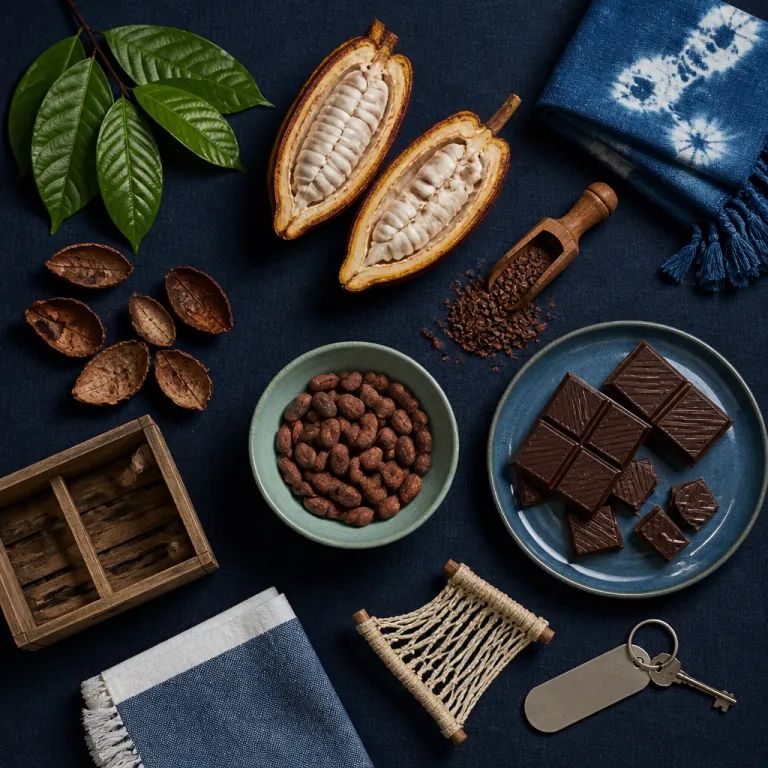
Why a Tobago cocoa estate tour belongs on a luxury family itinerary
A well-planned Tobago cocoa estate tour changes how you read the island. As you leave the sea haze of Crown Point and climb inland toward Roxborough, the road narrows, the air cools and the hillsides start to whisper stories of cocoa, plantation life and quiet resilience. For families used to all-inclusive routines, stepping into a working estate in Trinidad and Tobago feels like opening a different kind of travel chapter.
The cocoa landscape in Tobago is compact yet layered, with each estate, cocoa house and plantation remnant adding another line to the island’s cultural post. Tobago cocoa once travelled the world anonymously, its fine-flavour beans folded into European dark chocolate blends without a mention of Trinitario cocoa on the label. Today, a guided cocoa plantation tour places names, faces and precise locations back into that story, from the slopes above Roxborough to the reforested valleys near the Atlantic Sea.
For premium families choosing where to stay in Trinidad and Tobago, this heritage matters because it shapes the kind of luxury you book. A Tobago cocoa estate visit is not about marble lobbies; it is about walking between cocoa trees with your children, meeting cocoa farmers and tasting cocoa tea under a wooden roof while rain drums on the leaves. One farmer summed it up simply: “The real luxury here is time with the trees.” That sensory memory often outlasts any pool cabana, and it pairs beautifully with a few nights in Port of Spain, where a carefully chosen four-star stay can frame the urban side of the journey, as explored in this in-depth look at what a 4 star hotel really buys you in Trinidad.
The heart of the trail: Tobago Cocoa Estate and the Roxborough hills
The most focused Tobago cocoa estate tour usually starts above Roxborough, where Tobago Cocoa Estate sits across steep, green hillside. This is estate Tobago at its most cinematic, with rows of cocoa trees stepping down toward the sea and a traditional cocoa house standing watch over the beans as they ferment and dry. The location feels remote yet reachable, a deliberate detour from the beach that still fits easily into a family day out.
Here, founder Duane Dove has revived cocoa production with a clear mission, blending heritage methods with modern chocolate-making tools to create estate chocolates that now travel far beyond Trinidad and Tobago. Visitors walk through the plantation with a guide, learning how cocoa beans grow in colourful pods, how cocoa farmers manage shade trees and why Trinitario cocoa from Cocoa Tobago has earned a reputation for fine flavour and balanced acidity. Children usually lean in when they see the sticky white pulp around the beans and hear how that sweetness eventually becomes dark chocolate or a silky bean-to-bar tablet.
The tour then moves toward the processing area, where cocoa production becomes tangible through the smell of fermenting beans and the sight of wooden trays sliding in and out of the cocoa house. Tasting sessions often include estate chocolates, cocoa tea and sometimes a square of intense dark chocolate that shows exactly what makes Tobago cocoa distinctive. One family recalled their youngest declaring, “This is what magic tastes like,” as the guide poured steaming cocoa tea. If you are pairing the day with a coastal boat trip, it is easy to time a morning at the estate with an afternoon on the water, especially if you are heading toward Nylon Pool and No Man’s Land with one of the curated Tobago boat charters that get the day right.
From bean to bar: how Tobago cocoa becomes estate chocolates
Understanding the bean-to-bar journey is what elevates a standard Tobago cocoa estate tour into a genuinely memorable cultural experience. On the ground, that phrase means following cocoa beans from the moment they leave the pod to the instant they snap cleanly as finished chocolate, with every stage of cocoa production laid out in front of you. Children who might usually rush through a museum suddenly slow down when they can touch, smell and taste each step.
At Tobago Cocoa Estate, guides explain how harvested pods are opened by hand, how the wet beans are piled into wooden boxes and how natural fermentation transforms raw sweetness into the complex-flavour cocoa that connoisseurs recognise. You see the beans spread out to dry in the sun, sometimes under a sliding roof, and you learn why the design of the cocoa house still matters for airflow and quality. The process is both agricultural and architectural, with the estate buildings themselves telling a story about plantation history in Trinidad and Tobago.
Once the beans are ready, the focus shifts to roasting, grinding and conching, where cocoa becomes liquid chocolate destined for single-origin bars, truffles or a refined bean-bar tasting flight. This is where the term estate chocolates earns its weight, as you taste how Trinitario cocoa from one specific location in Tobago differs from blends sourced across wider Trinidad. Back in Port of Spain, that knowledge adds a new layer when you choose a hotel in Woodbrook or downtown; you start to seek out cafés and pastry counters that respect the same bean-to-bar ethos, much like the way the Woodbrook walk guide helps you frame where to stay for food-forward city breaks.
Where to stay: estates, eco resorts and family friendly bases
Choosing the right base is what turns a Tobago cocoa estate tour from a single outing into a themed stay. Families who want to wake up close to the hills often look for properties built on or near former cocoa or sugar lands, where the estate layout still shapes the grounds. One standout is Footprints Eco Resort, set on more than 60 acres of reforested terrain that once supported both sugar cane and cocoa trees.
Here, the connection between travel and terroir is immediate, with walking trails leading through secondary forest and remnants of plantation infrastructure quietly tucked into the landscape. The restaurant leans into farm-to-table cooking, using estate produce and local chocolates to create desserts that echo what you tasted during your Tobago cocoa estate tour. Children can move from the pool to short nature walks in minutes, while adults enjoy the sense of staying inside a living, evolving Estate Tobago rather than a generic beach complex.
Families who prefer a sea-facing base can stay along the Caribbean coast near Black Rock or Grafton, then drive inland for tours of Tobago Cocoa Estate and other Cocoa Tobago sites. This split works well if you want to combine snorkelling or boat trips with visits to Argyle Waterfall, village rum shops and small cafés serving cocoa tea alongside bake and shark. Wherever you stay, prioritise properties that can arrange reliable transport, share up-to-date info on tour schedules and help you contact the estate directly by email or phone so your cocoa tours slot smoothly into your wider Trinidad and Tobago itinerary.
Planning your cocoa trail: practicalities, pairings and what to bring home
Planning a Tobago cocoa estate tour for a premium family trip starts with timing and communication. Tours at Tobago Cocoa Estate usually run by appointment, most often in the morning, so you should contact the team in advance and use the official email address or phone number listed on the estate’s own website or social channels for clear confirmation and practical info. One of the most useful lines you will read before you go is this: "How can I visit the estate?" and the answer, "Schedule a tour by contacting the Tobago Cocoa Estate office using the current details provided by the estate itself."
Wear light, breathable clothing and closed shoes, because paths between cocoa trees can be damp, and bring insect repellent plus water for younger children. Typical guided tours last around two hours, with prices often starting near US$25–US$35 per adult and reduced rates for children, though you should always confirm current details directly with the estate. If your travel dates fall during the main or mid-crop seasons, you may see more active harvesting, with cocoa farmers moving between rows and fresh pods stacked near the cocoa house. Combine the day with a stop at Argyle Waterfall for a cool river swim, or with a coastal drive that ends at a quiet sea cove where you can unpack estate chocolates and talk through what everyone learned about cocoa beans and cocoa production.
Before you leave Tobago, stock up on single-origin chocolate bars, estate chocolates, cocoa tea mixes and any bean-bar selections that caught your attention during tastings. These make thoughtful gifts and keep the memory of your Tobago cocoa estate tour alive long after you return home to Trinidad or fly onward. When you post your impressions or write a short travel note for friends, mention the names that matter — Tobago Cocoa Estate, Duane Dove, Trinitario cocoa and the wider Cocoa Tobago community — because those details help other travellers explore cocoa with the same depth and respect.
FAQ
What is the Tobago Cocoa Estate and where is it located?
Tobago Cocoa Estate is a working cocoa plantation in the hills above Roxborough, on the eastern side of Tobago in Trinidad and Tobago. The estate combines traditional cocoa cultivation with modern chocolate-making facilities. Its hillside location offers views toward the Atlantic Sea and easy access to nearby natural sites such as Argyle Waterfall.
How can I book a Tobago cocoa estate tour for my family?
Tours operate by appointment, so advance booking is essential, especially for families travelling in groups. The most reliable way to arrange a visit is to contact the estate directly using the official email address or phone number published by Tobago Cocoa Estate, which allows you to confirm times, prices and any age considerations for children. Hotels and guest houses in Tobago can also help you gather current info, coordinate transport to the location and check accessibility for older relatives.
What happens during a typical cocoa estate tour in Tobago?
A standard tour usually includes a guided walk through the plantation, where you see cocoa trees, pods and the way cocoa beans are harvested and fermented. You then visit the cocoa house and drying areas, followed by an introduction to the chocolate production process using both traditional tools and modern equipment. Most tours end with a tasting of estate chocolates, cocoa tea and sometimes dark chocolate bars that showcase the fine flavour of Trinitario cocoa.
Is a cocoa focused itinerary suitable for children and multi generational trips?
Yes, a Tobago cocoa estate tour works well for families because it is hands-on, outdoors and sensory. Children can touch cocoa pods, smell fermenting beans and taste chocolate at different stages, while older relatives often appreciate the historical context of plantation life and cocoa farmers’ stories. The walking is usually moderate, but you should check accessibility details in advance if anyone in your group has mobility concerns, as some paths can be uneven or slippery after rain.
Where can I buy Tobago estate chocolates and cocoa products to take home?
You can purchase estate chocolates, cocoa tea and other cocoa products directly at Tobago Cocoa Estate after your tour, where the full range is often available. Selected shops, hotel boutiques and airport outlets in Trinidad and Tobago may also stock single-origin bars and bean-to-bar tablets made from Tobago cocoa. For the widest choice and freshest stock, buying at the estate itself is usually the top option.