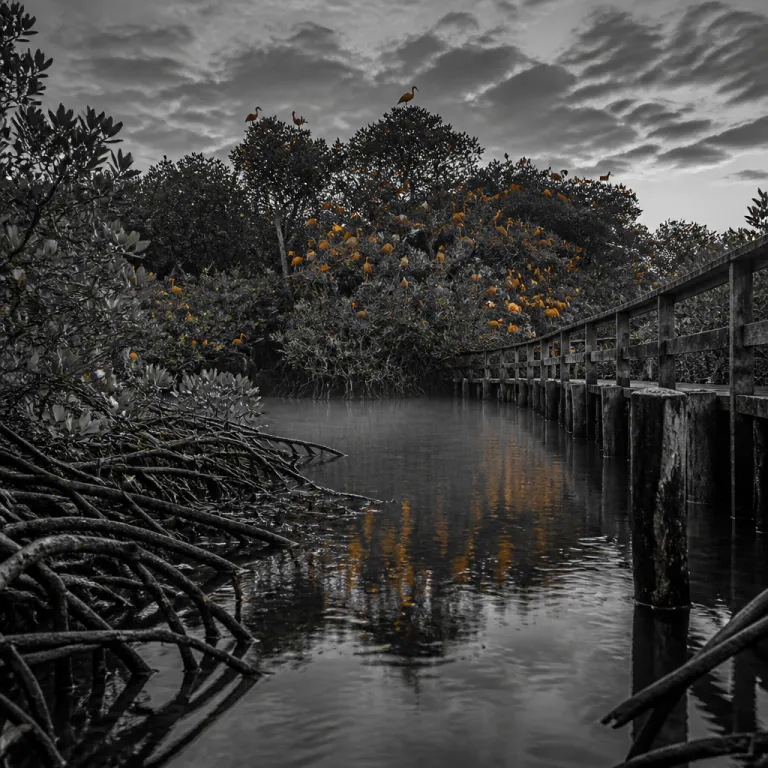
Why the caroni swamp scarlet ibis tour belongs on a luxury itinerary
The first time you glide into the Caroni Swamp at dusk, the light feels almost theatrical. Mangrove roots rise like dark cathedrals around the boat while a single scarlet ibis crosses the sky, and suddenly every luxury suite in Trinidad Tobago seems very far away. Then the flocks build, the birds’ scarlet wings bright against a fading silver horizon, and you understand why this national bird defines the island’s sense of place.
For travelers used to private drivers and club lounges, a standard Caroni Swamp scarlet ibis tour can feel crowded, rushed and oddly generic. Large day tours often move in convoy, each boat following the same channels, commentary reduced to a script that barely hints at the complexity of this protected bird sanctuary and wetland reserve. Yet with the right operator and timing, this same swamp habitat becomes one of the most refined wildlife experiences in Trinidad, on par with a well run safari lodge.
Think of the Caroni Swamp as Trinidad’s front row seat to its own story. The ibis national emblem, officially the scarlet ibis, is not just a bird Trinidad chose for a flag; it is a living barometer of the swamp’s health and of conservation culture in the wider Trinidad Caroni wetlands. When you plan your travel around an after hours tour, you are not adding a quick excursion, you are anchoring your stay in Trinidad Tobago around a ritual that locals quietly revere.
Note: Acreage figures, operator names and tour times in this post are based on commonly cited information from Trinidad and Tobago environmental sources and long established tour providers as of 2024; always confirm current data, schedules and access rules directly with your chosen operator when you book.
From port of spain hotel to mangrove channel: designing your own terms
Most visitors start in Port of Spain, where luxury and premium hotels cluster around the Savannah and waterfront. From these addresses, the drive to the main Caroni Swamp boat jetty near the Caroni Bird Sanctuary visitor area takes around twenty to thirty minutes by private transfer, which means you can leave your suite after tea and still reach the swamp in time to view scarlet ibis flocks arriving. If you are staying in a family friendly property with a pool and kitchen, use a late lunch and early rest to keep energy high before your evening day tour into the sanctuary.
For independent travelers, a curated car service beats a shared shuttle from Port of Spain every time. Ask your concierge to arrange a driver who knows the Trinidad Caroni route well, because traffic patterns shift and you want a calm arrival with enough margin before the boat departs. If you are still choosing where to stay, our guide to accommodation in Trinidad for families with space and pools outlines which addresses provide the most seamless access to the Caroni Swamp and other nature sites.
Once at the jetty, the tone changes from city to sanctuary in a few steps. You move from asphalt to wooden dock, from car noise to the low calls of swamp bird species and the distant chatter of birds gathering in the canopy. This is where choosing a smaller boat and a more intimate Caroni Swamp scarlet ibis tour matters, because the vessel becomes your floating hide for the next two and a half hours.
Standard tour versus private charter: what luxury travelers should expect
The classic Caroni Swamp scarlet ibis tour follows a simple arc. Boats usually leave the jetty in the late afternoon, idle through mangrove channels while guides point out herons, egrets and the occasional swamp bird like a night heron, then anchor near an open lagoon as the scarlet ibis return in waves to roost. On a good day you may see thousands of birds, each Caroni bird glowing almost neon against the dark trees.
On standard day tours, you share a larger boat with several dozen guests, which keeps costs low but dilutes the atmosphere. Commentary can be thin, with guides repeating the same lines about the national bird while missing chances to explain how ibis Caroni populations respond to tides, seasons and human pressure. If you value quiet, photography or nuanced natural history, a private or very small group tour provides a dramatically different level of immersion and a more refined view of the sanctuary.
Long established operators such as Nanan’s Caroni Bird Sanctuary Tours run smaller pirogues with more flexible routing, and this is where luxury travelers should focus their spend. These boats can slip into narrower channels, cut the engine for long silent drifts and provide space to move, set up a tripod or simply sit with a drink while great flocks of birds pass overhead. For wellness focused travelers pairing spa stays with nature, combining a private charter with a stay at one of Trinidad’s emerging spa hotels creates a rhythm of deep rest followed by high impact wildlife viewing.
What actually happens on the water: ibis, caimans and night paddles
Once your boat leaves the dock, the Caroni Swamp closes around you in shades of green and silver. Mangrove roots form tunnels where a swamp bird might watch from just above the waterline, while a guide points out a coiled tree boa or the eyeshine of a caiman resting in a side pool. The pace is unhurried, with long glides that let you track individual birds and listen to the low rustle of wings.
As the light softens, the ibis national emblem takes center stage. First a few Trinidad scarlet silhouettes cross the sky, then lines of birds build into dense ribbons, each bird bound for the same island roost in the heart of the sanctuary. By the time the main flocks arrive, the sky can feel crowded with birds scarlet against the dusk, and the lagoon in front of your boat becomes a living red tapestry that no photograph or travel post can fully capture.
For those who want an even more independent feel, night kayaking is emerging as a compelling alternative to the classic boat based Caroni Swamp scarlet ibis tour. You paddle low to the water in small groups, moving quietly through channels where different species emerge after dark and where every splash feels amplified. This style of tour suits confident paddlers who prefer to feel the swamp breathing around them, and it pairs well with a stay at a calm hilltop property after the intensity of the experience.
Linking caroni to asa wright and wider trinidad tobago wildlife
Caroni is only one chapter in Trinidad Tobago’s wildlife story, and luxury travelers should treat it as part of a wider circuit. The Asa Wright Nature Centre in the Northern Range offers a contrasting bird sanctuary experience, where hummingbirds and tanagers replace swamp bird species and where you can sip coffee on a veranda while guides point out bird Trinidad specialties. Combining Asa Wright with an evening in the Caroni Swamp gives you both forest and wetland perspectives on the same national bird landscape.
From a planning standpoint, consider structuring your travel as a sequence of focused day tour experiences. One day might pair Asa Wright with a slow dinner back in Port of Spain, while another anchors around an after hours Caroni Swamp scarlet ibis tour followed by a late return to your hotel. Our review of what a four star hotel in Port of Spain really buys you can help you choose a base that supports early departures and late wildlife returns without friction.
For those extending to Tobago, the contrast is again part of the appeal. You move from mangrove and ibis Caroni scenes to reef, leatherback turtles and quieter coastal birds great for casual watching between swims. Across both islands, the thread that ties your itinerary together is a respect for the national bird and its habitats, and the way each carefully chosen tour can provide a deeper, more textured view of Trinidad Caroni and beyond.
Practicalities, etiquette and how to engage as a thoughtful guest
Luxury travel in a wetland demands a different kind of polish. Dress lightly but modestly, use insect repellent, and bring binoculars so you can fully appreciate the Caroni bird spectacle without crowding the edge of the boat. Guides in this sanctuary work hard to provide context, and one of the most respectful things you can do is to listen, ask focused questions and let the swamp’s soundscape breathe between explanations.
Booking ahead is essential because the best small boats and after hours slots fill quickly. Many operators will provide clear instructions when you click through their booking pages, but it is still worth a direct call or message to confirm departure time, meeting point and whether your tour includes a dedicated naturalist. If you are comparing options, remember the verified guidance that “Evening tours around 5:30 PM are ideal.” and “Approximately 2.5 hours.” and “Yes, including caimans, herons, and egrets.” when you evaluate what each operator promises.
As you plan, treat every Caroni Swamp scarlet ibis tour as a privilege rather than a product. This is not a theme park ride; it is a living ecosystem where the national bird and many other species negotiate survival every day. When you share a thoughtful comment with your hotel concierge, provide feedback to a guide or quietly click box options to support conservation, you help ensure that future travelers will still be able to watch birds scarlet streaming home over the mangroves at dusk.
FAQ
What is the best time of day to see the scarlet ibis in Caroni Swamp ?
The most reliable time to see the scarlet ibis in the Caroni Swamp is late afternoon into early evening. Boats usually leave the jetty around 4:00–4:30 p.m. so they can reach the main roosting lagoon before the peak return of the national bird. This timing lets you watch the full build up of flocks as they cross the sky and settle into the mangroves.
How long does a typical Caroni Swamp boat tour last ?
A standard Caroni Swamp scarlet ibis tour lasts about two and a half hours from departure to return. That duration allows time to navigate the mangrove channels slowly, stop for wildlife sightings and then anchor near the roosting island as the birds arrive. Luxury travelers booking private charters can sometimes extend the experience slightly, but the core window around sunset remains the same.
What wildlife, besides the scarlet ibis, can I expect to see ?
While the scarlet ibis is the headline species, the Caroni Swamp supports a wide range of other wildlife. Guests often see herons, egrets, various swamp bird species, tree boas coiled in branches and the reflective eyes of caimans in side pools. Birders who combine Caroni with Asa Wright and other sites in Trinidad Tobago can easily encounter dozens of bird Trinidad species in a short stay.
How do I get from my Port of Spain hotel to the Caroni Swamp jetty ?
From most premium hotels in Port of Spain, the drive to the Caroni Swamp jetty takes around twenty to thirty minutes in light traffic. The most comfortable option is a pre arranged private transfer booked through your hotel concierge or a trusted driver, especially if you are returning after dark. Taxis are available, but for a seamless experience that matches a luxury stay, a confirmed car service is preferable.
Can I visit Caroni Swamp independently without a guided tour ?
Access to the core bird sanctuary areas of the Caroni Swamp is controlled, so independent visitors cannot simply paddle or walk into the main roosting zones. For safety, conservation and navigation reasons, you need to join an authorized boat tour or a guided kayak outing. Choosing reputable operators such as Nanan’s Caroni Bird Sanctuary Tours ensures your visit supports protection of the national bird while giving you a clear view of the evening spectacle.