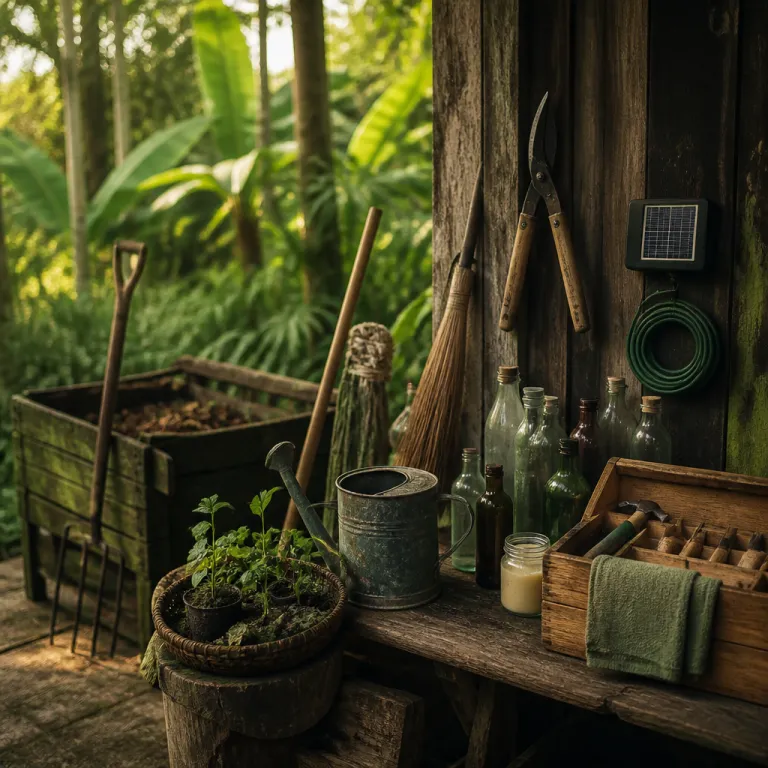
Eco stay in Trinidad where community tourism leads, not follows
In the forested Northern Range of Trinidad, the village of Brasso Seco has turned a fading cocoa past into one of the Caribbean’s clearest examples of an honest eco stay. Here, eco stay trinidad community tourism is not a slogan on a brochure but a lived system where the same families who farm the hillsides also run the guesthouses and guide the tours. For premium families used to polished resorts in Trinidad and Tobago, this shift toward community based hospitality feels radical yet quietly luxurious in its authenticity.
Brasso Seco sits about forty five minutes from Arima, wrapped in dense nature and cooled by river breezes that carry the scent of cocoa and citrus. The Brasso Seco Paria Tourism Action Committee coordinates community based tourism so that rooms, meals and eco tours are booked through local communities rather than distant tourism businesses. That structure means eco tourism revenue stays in Trinidad, strengthening local communities while giving visitors a rare window into daily life that most Caribbean tourism products never attempt.
Families arrive expecting rustic conditions and instead find basic but spotless rooms, home cooked food and guides whose knowledge of natural species rivals that of any formal nature centre. The eco stay trinidad community tourism model here uses local resources and traditional practices to keep the footprint light while still delivering comfort, from proper mattresses to hot showers. It is not a resort wristband experience ; it is a chance for children to walk forest trails with someone who grew up naming every bird and river bend by heart.
Across Trinidad Tobago, the tourism industry often talks about sustainable tourism while operating in ways that quietly export most of the value offshore. In Brasso Seco, almost every tourism dollar remains in the community, which stands in stark contrast to many Caribbean tourism developments where less than a third of spending reaches local hands. That difference is the core of eco stay trinidad community tourism here ; it is about who owns the rooms, who manages the resources and who decides how conservation and cultural heritage are funded.
What an eco stay in Brasso Seco, Grande Riviere and Paramin really feels like
Staying in Brasso Seco’s community guesthouses is closer to visiting extended family than checking into a conventional luxury hotel in Trinidad. Rooms are simple, often with polished wooden floors, mosquito nets and wide windows that frame the surrounding nature instead of a manicured resort garden. For families used to Tobago’s beachfront suites, this eco adventure feels stripped back yet surprisingly indulgent in its quiet and its space.
Days start early with strong coffee, local fruit and the sound of birds that many visitors first meet at the Asa Wright Nature Centre. Guides trained through community based programmes lead hikes to waterfalls, river pools and old cocoa estates, turning each walk into a lesson in conservation and best practices for using forest resources. Children learn how sustainable tourism depends on protecting natural species, from tiny frogs to the caroni bird that later appears in stories about Trinidad’s famous wetlands.
Grande Riviere on Trinidad’s north coast adds another layer to eco stay trinidad community tourism with its turtle watching nights on the dark sand beach. Here, community based tourism and based tourism cooperatives manage access to the nesting sites so that leatherback turtles are protected while visitors still experience the spectacle. Families sit quietly under the stars as guides explain how conservation, tourism and local livelihoods intersect along this stretch of Caribbean coast.
Paramin, perched high above Port of Spain, offers a different kind of eco adventure with steep roads, herb farms and views that sweep across Trinidad Tobago. Community hosts here focus on cultural heritage, from parang music to traditional farming practices that still shape the hillsides. If you are weighing where to stay when one trip has to do both jobs, a detailed comparison of Tobago’s coastal retreats and Trinidad’s business district stays can be found in this guide to balancing city meetings with island escapes.
Green Key standards, HADCO’s role and why certification matters
For travelers who care about sustainable tourism, certification is often the only visible signal that an eco stay is more than marketing language. In Trinidad and Tobago, HADCO’s management of the Asa Wright Nature Centre and Mt. Plaisir Estate Hotel in Grande Riviere has brought Green Key certification into the heart of eco tourism. That label matters because it audits energy use, waste practices and community engagement rather than relying on vague promises about being eco friendly.
At Asa Wright, the restored lodge functions as both a bird sanctuary base and a nature centre, with verandas that overlook feeders visited by hummingbirds and tanagers. The wright nature trails below are guided by local communities who have been trained to interpret forest ecology, explain conservation work and highlight how renewable energy and water saving practices are being introduced. Families staying here see sustainable tourism in action, from solar powered systems to careful management of river water and forest resources.
Mt. Plaisir Estate Hotel in Grande Riviere extends this eco stay trinidad community tourism approach to the shoreline, where turtle watching is tightly regulated to protect nesting sites. Staff are hired from nearby communities, food is sourced from local farms and tours are coordinated with community based turtle groups that monitor the beach. This is where eco adventure meets responsibility, showing children how tourism industry decisions can either damage or safeguard fragile coastal species.
Across the wider Caribbean tourism landscape, Green Key remains relatively rare, which makes these Trinidad Tobago properties stand out for families comparing regional tourism options. When you plan your travel, pairing a few nights in a Green Key certified lodge with time in a community guesthouse creates a layered understanding of what sustainable tourism can look like. For a broader sense of seasons, logistics and how each island complements the other, use this in depth Trinidad and Tobago travel guide as your planning backbone.
How money moves : why Brasso Seco’s model feels different
Luxury travelers increasingly ask a blunt question before they book an eco stay in the Caribbean. How much of what they spend actually reaches the community whose forests, rivers and reefs they have come to enjoy ? In Brasso Seco, the answer is unusually clear because the same community based organisation that manages tours also runs the guesthouses and cultural activities.
The Brasso Seco Paria Tourism Action Committee was formed when agriculture declined and residents needed a new way to use their land without selling it to outside tourism businesses. They chose eco tourism as a tool for economic diversification, environmental conservation and cultural preservation, building a model where local communities control rooms, trails and revenue. That structure means almost every dollar spent on accommodation, meals and tours circulates within the village, paying guides, cooks, drivers and craft makers directly.
Contrast that with many large Caribbean tourism developments, where international ownership and imported supply chains mean less than a third of visitor spending stays in the destination. In those cases, the tourism industry may talk about sustainable tourism while relying on practices that drain resources and weaken communities over time. Brasso Seco’s eco stay trinidad community tourism model shows another path, where best practices include transparent pricing, shared decision making and reinvestment in conservation projects.
Families who care about impact can ask specific questions when booking, whether in Trinidad, Tobago or elsewhere in regional tourism hotspots. Who owns the property, who leads the tours, how are conservation fees used and what role do local communities play in governance ? For more guidance on aligning value with values, including how to secure the best luxury hotel discounts in Tobago without compromising ethics, consult this practical strategy for booking premium stays.
Planning an eco stay for premium families : routes, seasons and expectations
Designing an eco stay trinidad community tourism itinerary for a premium family starts with being honest about comfort levels. Brasso Seco’s guesthouses, Grande Riviere’s small hotels and Paramin’s homestays offer clean, safe and welcoming bases, but they do not provide the spa, pool and concierge layers of a large resort. What they offer instead is space for children to understand how nature, culture and community economies fit together.
Reaching Brasso Seco involves a scenic drive from Arima into the Northern Range, with the final stretch winding through forest that hints at the eco adventure ahead. Families should book accommodations in advance, prepare for rural conditions and respect local customs, especially around shared resources like water and village spaces. Once there, activities range from hiking and bird watching to cultural workshops that introduce traditional crafts revived through tourism.
Across Trinidad Tobago, pairing a few nights in Brasso Seco with time at Asa Wright or Mt. Plaisir creates a balanced eco tourism circuit. Children can compare the bird sanctuary setting of the nature centre with the wilder feel of community trails, learning how different conservation models protect natural species. A later visit to the Caroni Swamp to see the caroni bird returning to roost, or to Tobago’s reefs with responsible guides, rounds out their understanding of how rivers, forests and marine ecosystems connect.
As you plan, remember that eco stay trinidad community tourism is not about perfection but about progress and participation. Ask about renewable energy experiments, waste reduction practices and how tours are designed to minimise impact on fragile habitats. “What activities are available in Brasso Seco?” “Hiking, bird watching, cultural workshops.” “How to get to Brasso Seco?” “Approximately 45-minute drive from Arima.” “Are there guided tours available?” “Yes, community members offer guided tours.”
FAQ : eco stay and community tourism in Brasso Seco and beyond
Is Brasso Seco suitable for families with young children ?
Brasso Seco works well for families who are comfortable with rural settings and want their children close to nature. Guesthouses are basic but clean, with hosts used to welcoming multi generational groups. Parents should supervise children near river areas and on forest trails, but the village itself feels calm and community oriented.
How does Brasso Seco’s eco tourism model support conservation ?
The community channels income from guesthouses, tours and cultural activities into maintaining trails, protecting forest areas and supporting local conservation initiatives. Because residents control tourism decisions, they can limit group sizes, adjust practices and protect sensitive habitats. This direct link between revenue and conservation outcomes is a defining feature of eco stay trinidad community tourism in the village.
Can I combine Brasso Seco with turtle watching or birding elsewhere in Trinidad and Tobago ?
Yes, many travelers pair a stay in Brasso Seco with turtle watching in Grande Riviere and birding at the Asa Wright Nature Centre. This combination offers river hikes, forest birding and coastal wildlife within a relatively compact area of Trinidad. Adding a short hop to Tobago allows families to experience reefs and calmer beaches while keeping a focus on sustainable tourism.
What level of comfort should I expect compared with a luxury resort ?
Community guesthouses in Brasso Seco and homestays in Paramin offer comfortable beds, private or shared bathrooms and hearty home cooked meals, but they do not provide resort style amenities. The luxury here lies in space, quiet and access to knowledgeable local guides rather than in-room technology or elaborate spa menus. Families who value authenticity, cultural heritage and close contact with nature usually find the trade off more than worthwhile.
How far in advance should I book an eco stay in Brasso Seco ?
Because the village has a small population and a limited number of guesthouses, it is wise to book several weeks ahead, especially during peak regional tourism periods and school holidays. Early contact with the Brasso Seco Paria Tourism Action Committee also allows you to arrange specific tours, workshops or birding excursions. This planning ensures that community hosts can manage resources responsibly while still offering a personalised experience.
References
Caribbean Natural Resources Institute ; Cocoa Research Centre ; Green Key Global.