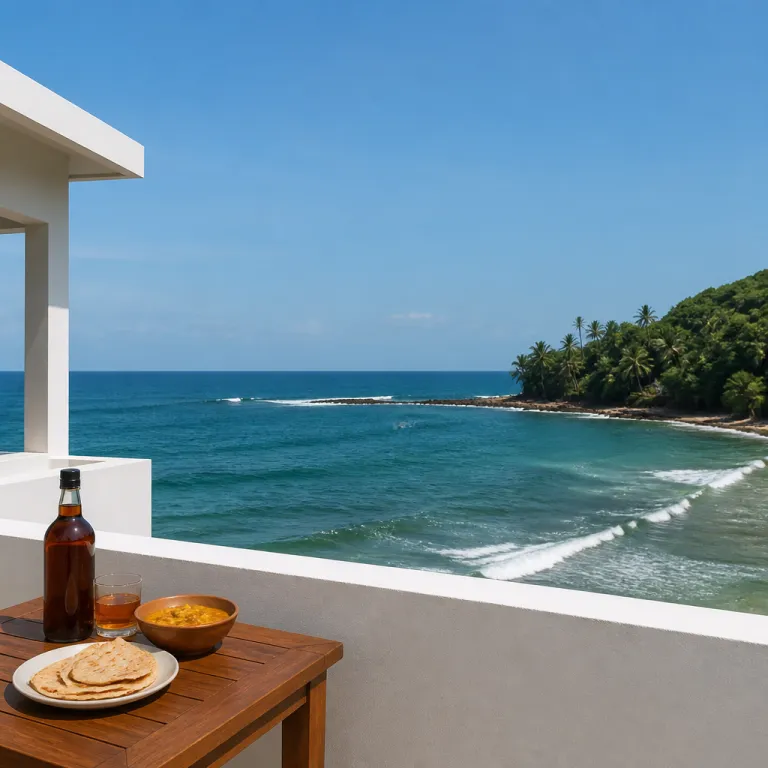
From street food to chef’s table: the rise of Indo-Trinidadian cuisine
On a humid Port of Spain evening, the line for doubles snakes past a quiet luxury hotel entrance. Inside, couples sip rum cocktails while outside the most famous street food in Trinidad is served from a stainless steel cart. This contrast captures how indo trinidadian cuisine now shapes both pavement snacks and polished dining rooms.
Indo trinidadian flavors began with indentured Indian workers who arrived in Trinidad and Tobago and adapted recipes to new soils. They brought curry techniques, ways of stretching bread dough, and a reverence for spice that met caribbean ingredients like local fish, coconut, and hot peppers. Over time, these trini cooks created a trinidadian cuisine where curry channa, sada roti, and pepper sauce sit beside macaroni pie and stewed meats on the same table.
Today, food critics and restaurateurs describe a culinary trend where “Indo-Trinidadian cuisine gains popularity” and “Indo-Trinidadian food is gaining popularity due to its unique flavors and cultural richness.” Luxury travelers now plan trips around foods Trinidad once treated as everyday comfort dishes. High end hotel concierges know that a couple asking about cuisine often wants the same street foods locals queue for at dawn.
For guests booking premium stays, understanding this food story changes how you choose a room. A suite near Ariapita Avenue or Queen’s Park Savannah means you can walk from refined hotel bars to late night street foods in minutes. Selecting a property in central trinidad tobago rather than an isolated resort gives you access to both curated tasting menus and the roti shops where trini families eat on weeknights.
Where liming meets luxury: doubles, roti and rum around your hotel
Liming is the trinidadian art of lingering with friends, and it usually involves food. In Port of Spain, the best hotel concierges now build entire mornings around doubles, bake and shark, and coconut water from a roadside cooler. One detailed guide to planning a trinidad food morning even shows how to time your walk so you reach the doubles vendor before the last barra is served.
For couples staying in premium hotels, the day might start with room service coffee and fresh bread, then move quickly to the pavement. A short taxi ride from many trinidad properties takes you to street food hubs where curry channa fills soft bara, pepper sauce drips onto your wrist, and green seasoning perfumes the air. These street foods are not a sideshow to trinidadian cuisine ; they are the foundation that fine dining chefs now reinterpret.
At Maracas Bay, bake shark remains the classic beach lunch, with fish marinated in green seasoning and fried until crisp, then tucked into a pillowy bake. Nearby, vendors offer coconut water straight from the shell, while others sell indian sweets made with coconut milk and split peas flour. Luxury hotel guests often arrive by private transfer, but the best experiences come when you lime with locals at the same wooden tables.
Evening brings a shift from beach to city, and from plastic plates to white tablecloths. Upscale restaurants in trinidad now plate paratha roti beside grilled fish, or serve rice scented with chadon beni alongside French style sauces. Rum lists rival wine menus, and couples can pair aged caribbean spirits with tasting menus that trace the line from street food to refined indo trinidadian dishes.
The new Indo-Trinidadian fine dining: from curry pot to tasting menu
Across Trinidad, a new generation of Indo-Trinidadian chefs is rethinking what curry, roti, and rice can be in a luxury setting. They keep the soul of indo trinidadian cuisine intact while borrowing French techniques and plant forward ideas from global kitchens. The result is a wave of menus where curry powder, coconut milk, and chadon beni meet precise plating and quiet dining rooms.
In these spaces, a humble curry channa might arrive as a delicate purée under seared fish, with green seasoning oil dotted around the plate. Paratha roti becomes a layered pastry, brushed with coconut oil and served in small folded squares beside roasted vegetables. Even sada roti, once a simple breakfast bread, appears toasted and buttered under smoked eggplant or grilled caribbean peppers.
Chefs talk about using hyper local produce from trinidad tobago farms, then applying techniques they learned in European kitchens. They reduce coconut milk into silky sauces, infuse pepper sauce into beurre blanc, and fold split peas into crisp fritters that echo both indian pakora and trini street foods. Tasting menus might move from doubles inspired canapés to refined bake shark, then finish with indian sweets reimagined as plated desserts.
For hotel guests, this shift means you can now book a romantic dinner that feels as polished as any major city, yet tastes unmistakably trinidadian. Some premium properties partner with these restaurants, offering priority reservations or chef led experiences as part of a stay. Couples who once chose hotels only for pools and views now ask which kitchens treat indo trinidadian dishes with this level of care.
Beyond Port of Spain: southern Indo-Trinidadian heartlands for curious couples
To understand indo trinidadian cuisine fully, you need to leave the capital and head south. Around San Fernando, Debe, and Princes Town, indian heritage communities shape daily life, from temple bells at dawn to the smell of curry drifting from family kitchens. Here, foods Trinidad takes for granted become a living archive of migration, adaptation, and quiet culinary innovation.
Roadside stalls in Debe serve some of the island’s most respected roti, with paratha roti folded around pumpkin, curry channa, and tender pieces of fish or chicken. Nearby, bakeries sell bake filled with cheese or smoked herring, while small cafés offer macaroni pie beside more traditional rice and dhal. Couples willing to trade a quick highway drive for these dishes often find the most memorable meals of their trip.
Luxury and premium hotel options are thinner in the deep south than in Port of Spain or Tobago, but that is changing slowly. Many couples now base themselves in a high end trinidad property near the Gulf of Paria, then arrange private drivers for day trips into these food rich districts. The reward is access to street foods and home style dishes that rarely appear on tourist itineraries, yet define trini comfort food.
In these towns, liming happens outside roti shops, rum bars, and small groceries where coconut water chills in freezers beside soft drinks. Pepper sauce recipes are guarded secrets, passed down through families who also blend their own curry powder and green seasoning. For travelers who care about cuisine, this region shows how indo trinidadian food lives beyond restaurant menus and into everyday life.
How hotels are curating Indo-Trinidadian food journeys in Trinidad and Tobago
On both islands, the smartest luxury hotels now treat indo trinidadian cuisine as a central part of their guest experience. In Trinidad, concierges arrange guided walks through street food districts, stopping for doubles, bake shark, and coconut water before the city fully wakes. In Tobago, beachfront properties pair caribbean fish dinners with trini style curry sauces and indian sweets served under the stars.
Some hotels offer in house cooking classes where couples learn to knead roti dough, toast curry powder, and blend green seasoning with chadon beni. These sessions often end with shared meals of curry channa, rice, and simple bread, showing how trinidadian cuisine balances spice, comfort, and freshness. Guests leave with recipes that translate surprisingly well to home kitchens, even far from trinidad tobago markets.
For travelers planning a stay, it pays to read menus as carefully as room descriptions. Properties that highlight local foods Trinidad on their websites usually have chefs who respect indo trinidadian traditions, whether they are grilling fish over coals or plating refined street food inspired dishes. One detailed cultural stay guide even shows how a Tobago resort used live music and thoughtful menus to raise the island’s hospitality bar without losing its relaxed charm.
Digital storytellers such as Mark Wiens have helped spotlight these foods, but the most meaningful experiences still happen table side. A quiet conversation with a hotel cook about their favorite street foods can lead you to a family run roti shop or a late night macaroni pie stand. For couples who value both comfort and authenticity, choosing hotels that curate these connections turns a simple booking into a layered culinary journey.
FAQ
What is Indo-Trinidadian cuisine ?
Indo-Trinidadian cuisine is a blend of Indian and Caribbean culinary traditions. It combines curry techniques, roti making, and indian spice blends with local trinidad ingredients such as caribbean fish, coconut, and hot peppers. The result is a trinidadian cuisine that includes dishes like doubles, curry channa, and bake shark alongside rice, macaroni pie, and other foods Trinidad families eat daily.
Why is Indo-Trinidadian food gaining popularity with luxury travelers ?
Indo-Trinidadian food is gaining popularity due to its unique flavors and cultural richness, and luxury travelers now seek that depth of flavor and story. As more Indo-Trinidadian chefs create fusion dishes and tasting menus, couples can enjoy refined versions of street foods such as doubles, paratha roti, and indian sweets in elegant dining rooms. Premium hotels in trinidad tobago increasingly highlight this cuisine through curated restaurant partnerships, cooking classes, and guided street food tours.
Where can hotel guests try authentic Indo-Trinidadian dishes ?
Guests staying in Port of Spain can find authentic indo trinidadian dishes at street food hubs, roti shops, and casual restaurants near major hotels. Areas such as Queen’s Park Savannah, Ariapita Avenue, and southern communities like Debe and San Fernando offer doubles, curry channa, sada roti, and bake shark that locals rate highly. Many concierges now maintain updated lists of trusted vendors so couples can safely enjoy street foods, pepper sauce, and coconut water without straying far from their property.
How are hotels in Trinidad and Tobago integrating this cuisine into their offerings ?
Hotels in Trinidad and Tobago integrate indo trinidadian cuisine through menu design, special events, and guest experiences. Some properties feature signature dishes such as grilled fish with curry sauces, roti inspired breads, and desserts based on indian sweets and coconut milk. Others organize market tours, cooking classes using green seasoning and chadon beni, or liming style evenings where street food favorites are served in a controlled, comfortable setting.
Is Indo-Trinidadian food suitable for vegetarian or plant based travelers ?
Indo-Trinidadian food offers many vegetarian options, especially dishes built around split peas, curry channa, and vegetable curries served with roti or rice. The current culinary shift sees chefs using plant based fusion techniques to highlight local produce, coconut milk, and green seasoning without relying on meat or fish. Couples who prefer vegetarian or plant forward cuisine can usually find suitable dishes both in street food settings and in the fine dining rooms of premium hotels.