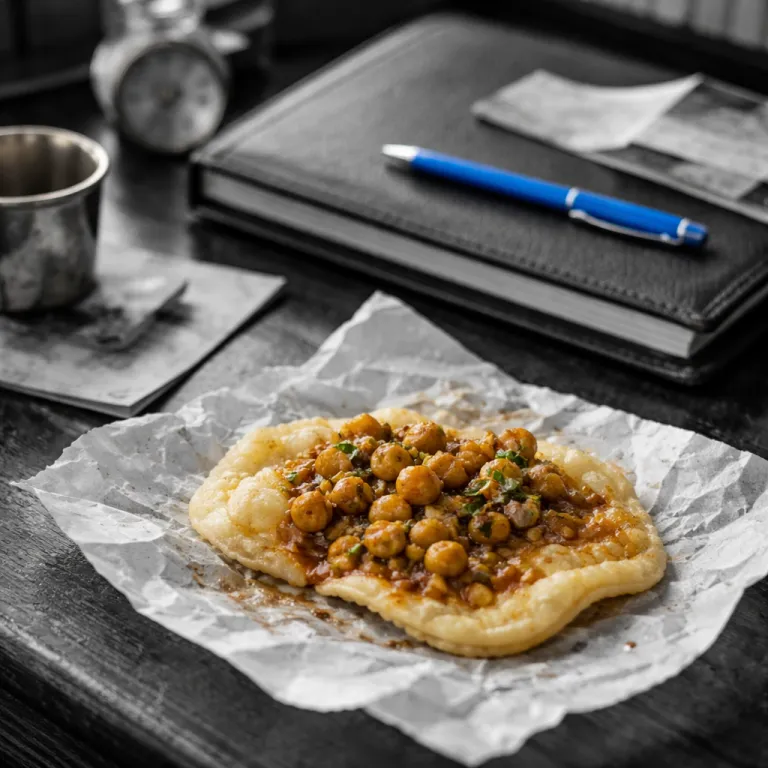
The 6 a.m. doubles test for Trinidad’s luxury hotels
On Trinidad’s waterfront, the real measure of a luxury stay begins long before the hotel breakfast room opens. When you ask your Hyatt Regency or Brix Autograph concierge about Trinidad doubles street food at 6 a.m., the answer will quietly reveal how well the property understands the island’s rhythm. A polished lobby is one thing, but the concierge who can name three doubles vendors by intersection, describe the soft bara texture and warn you about hot pepper levels is the one you can trust.
Doubles are Trinidad’s defining street food, built from curried chickpeas called channa folded between two pieces of fried flatbread known as bara. The dish was created by Emamool “Mamoodeen” Deen in Princes Town during economic hardship, and it has since become the food that cuts across class, race and religion in Trinidad and Tobago. Official tourism data notes that the average cost per serving sits around 10 TTD, which means even guests in premium suites can eat like locals without denting their budget.
Every serious concierge in Port of Spain will have a shortlist of vendors in St. James, on the Brian Lara Promenade or near Queen’s Park Savannah, where around 50 vendors operate on a busy day. Ask them specifically where they would send a solo guest for doubles bara at dawn, and listen for details about lighting, taxi access and how early the oil is hot enough for perfectly fried dough. If the answer feels vague, take that as a cue to lean on your taxi driver instead, because the doubles recipe knowledge on this island often lives in the street, not in the hotel brochure.
How to order doubles like you live in Port of Spain
At the cart, the language of Trinidad doubles street food is its own quiet code. You step up, say how many doubles you want, then add your instructions in a few clipped words that will decide how much pepper, which sauce and whether cucumber chutney or tamarind sauce lands on your bara. The vendor moves fast, so knowing the vocabulary before you leave your hotel in Trinidad and Tobago turns a nervous first order into an easy ritual.
Start with spice, because pepper sauce here is serious and the hot sauce can surprise even confident travelers. “Slight pepper” means a cautious streak of heat, “medium” brings a warm glow, and “plenty” is for those who enjoy hot oil, hot food and a lingering burn that pairs beautifully with the soft dough. You can ask for “no pepper” if you prefer to taste only the curry, the channa and the tang of tamarind sauce, but you will miss a layer of the doubles recipe that locals consider essential.
Next, choose your extras, which is where the street food becomes quietly luxurious in its own way. Ask for doubles with cucumber chutney for a cool crunch, or request “with everything” to get pepper sauce, tamarind sauce and any house hot sauce the vendor keeps in recycled bottles. Many stands also offer a spoon of curry chicken on the side or in a separate container, and while purists keep their doubles vegetarian, the mix of chickpeas, curry chicken and bara can feel like a full breakfast before you walk back to your hotel pool.
Three morning doubles routes from Port of Spain’s hotel cluster
From the Hyatt Regency and the surrounding business hotels, the first working route for Trinidad doubles street food runs west into St. James. Ask your taxi to follow the line of office workers and school uniforms, because the vendors they choose will usually have the freshest bara, the softest dough bara and the quickest turnover of channa simmering in curry. Time your departure so you reach the cart within ten to fifteen time minutes of opening, when the oil hot from the first batch still smells faintly of turmeric tsp and fresh baking.
A second route loops around Queen’s Park Savannah, where doubles stands share space with coconut vendors and pholourie sellers. Here, you can build a progressive breakfast, starting with doubles bara loaded with chickpeas and pepper sauce, then moving to aloo pies or pholourie dipped in hot sauce for a second-meal logic that locals swear by. This is also where you will see how Trinidad Tobago treats doubles as both food and social glue, with suited executives and construction workers eating the same recipe under the same trees.
The third route runs through downtown Port of Spain, ideal if you are staying at The Brix, Kapok or any of the smaller premium properties on the hill. Your concierge or taxi driver will know which corner vendors heat oil earliest, which ones line their trays with parchment paper to keep the fried bara from sticking and which stands keep their pepper sauce in clean bottles. On all three routes, carry small bills, stand to the side once you are served and eat quickly, because doubles are meant to be hot, soft and gone before the dough cools.
From doubles to aloo pies: the solo traveler’s street food strategy
Once you have handled your first doubles in Trinidad, the rest of the street food map opens naturally. Many vendors who shape dough bara at dawn will also drop aloo pies and pholourie into the same hot oil, creating a second wave of snacks that appear just as the doubles rush eases. Think of doubles as your main course and these fried extras as a tasting menu that costs less than a single cocktail back at your luxury hotel.
Watch how the vendor manages the oil, because a stand that knows when to heat oil and when to rest it usually turns out lighter food. You want to see them test the oil hot with a pinch of dough, adjust the flame and then add water to the channa pot or the curry chicken pan as it thickens, rather than leaving everything to boil down with too much salt. That same care with tsp turmeric, curry powder and the balance of pepper and sauce is what keeps the bara soft instead of greasy, and it is a quiet marker of quality that regulars notice immediately.
For solo travelers, this is also where you can linger a little and watch the choreography of Trinidad doubles street food culture. Aloo pies stuffed with spiced potatoes, pholourie served in paper bags and extra doubles recipe variations with more chickpeas or less pepper sauce all pass through the same hands in a matter of time minutes. When you walk back through the lobby of the Hyatt or past the pool at The Brix with the faint scent of curry and hot sauce still on your fingers, you will understand why locals say this food is the real luxury of Trinidad Tobago mornings.
Safety, solo women and the one thing not to ask your concierge
For solo women staying in premium hotels, the early hour of Trinidad doubles street food can feel both alluring and uncertain. The safest strategy is simple ; go early, go where there is a line and let your taxi driver or concierge suggest a vendor they would send a family member to. In busy areas like St. James or Queen’s Park Savannah, well lit corners with steady foot traffic and vendors who know the hotel crowd by sight are your best bet.
One thing you should not ask your concierge for is a printed doubles recipe with exact tsp measurements, baking instructions and a step by step guide to making bara in your villa kitchen. The magic of doubles lies in the way vendors judge dough by feel, salt by instinct and curry by scent, often adjusting turmeric tsp or pepper sauce based on the weather and the crowd. Trying to reduce that to a laminated card for guests also risks turning a living street food into a hotel amenity, which flattens the culture that makes Trinidad doubles and its plural forms so compelling.
Instead, ask questions that respect the craft and keep you safe, such as which vendors handle hot oil carefully, who uses parchment paper to drain fried bara and where you can stand without blocking the flow of people. Pay attention to any posted privacy policy at your hotel about staff recommendations, because some properties limit how specifically concierges can endorse individual carts, even when they personally eat there. When you are back in Tobago, perhaps at a beachfront stay you found through a guide like the piece on beachfront jazz at Magdalena Grand, you will carry the memory of that first hot, soft doubles as clearly as any spa treatment or sunset view.
How doubles quietly shape luxury hospitality in Trinidad and Tobago
For a luxury and premium hotel booking website focused on Trinidad and Tobago, ignoring doubles would mean missing the country’s most democratic pleasure. Doubles are a popular Trinidadian street food consisting of curried chickpeas between two fried flatbreads, and that simple sentence explains why every serious property now trains its team to talk about bara, channa and pepper with the same fluency they bring to wine lists. When Hyatt Lime at the Port of Spain waterfront raised the bar for hotel anchored food events, it did so in a city where doubles already set the everyday standard for flavor and value.
Smart concierges now weave Trinidad doubles street food into their welcome briefings, suggesting guests try one doubles with slight pepper, one with more hot sauce and one with extra cucumber chutney or tamarind sauce to compare textures. They explain that the dough is mixed without strict tsp rules, that bakers rarely measure turmeric tsp or salt precisely and that the best bara is soft enough to fold but strong enough to hold hot channa and any optional curry chicken without tearing. This kind of context turns a quick breakfast into a cultural primer, and it is exactly the sort of insider framing that separates a generic stay in trinidad from a trip shaped by real expertise.
For platforms like mytrinidadstay.com, the role is to curate hotels that respect this culture rather than trying to replace it with in house imitations. That means highlighting properties whose teams eat at the same carts as their guests, who understand that street food is not a liability but a living asset and who treat a 10 TTD doubles with the same seriousness as a tasting menu. When you read a hotel review that talks about how staff handle hot oil in their own kitchens, how they source chickpeas and how they speak about doubles bara vendors by name, you can be confident that the hospitality extends beyond the privacy policy and into the streets where Trinidad Tobago’s flavor was born.
FAQ
What are the main ingredients in doubles ?
The main ingredients in doubles are curried chickpeas, known locally as channa, and two pieces of fried flatbread called bara. Vendors season the channa with curry, turmeric and salt, then finish each serving with pepper sauce, tamarind sauce or cucumber chutney. The result is a hot, soft street food that Trinidad and Tobago treats as a national staple.
Is doubles suitable for vegetarians ?
Doubles are naturally vegetarian, because the filling is made from chickpeas simmered in curry and spices without meat. Some stands offer optional curry chicken on the side, but this is not part of the traditional doubles recipe. If you want to keep your meal vegetarian, simply ask for doubles without any meat extras.
Where can I find the best doubles in Trinidad ?
Popular areas for doubles in Trinidad include St. James, Queen’s Park Savannah and downtown Port of Spain, all within easy reach of major hotels. Many concierges and taxi drivers will recommend specific vendors they trust for fresh bara, clean hot oil and balanced pepper levels. The key is to look for a steady line of locals, because high turnover keeps the food hot and the dough soft.
When is the best time to eat doubles during my stay ?
Doubles are best enjoyed in the morning, often from around 6 a.m. when vendors first heat oil and start frying bara. The early hours offer the freshest food and a glimpse of everyday life, as office workers and students queue side by side. You can still find doubles later in the day, but the texture and temperature are at their peak soon after frying.
How much does a serving of doubles usually cost ?
A single serving of doubles typically costs around 10 TTD, which makes it one of the most affordable foods you can eat while staying in a luxury hotel. Even if you order several doubles, add extra pepper sauce or try aloo pies and pholourie, the total price remains modest. This low cost is part of why doubles are considered a unifying food across Trinidad and Tobago’s different communities.