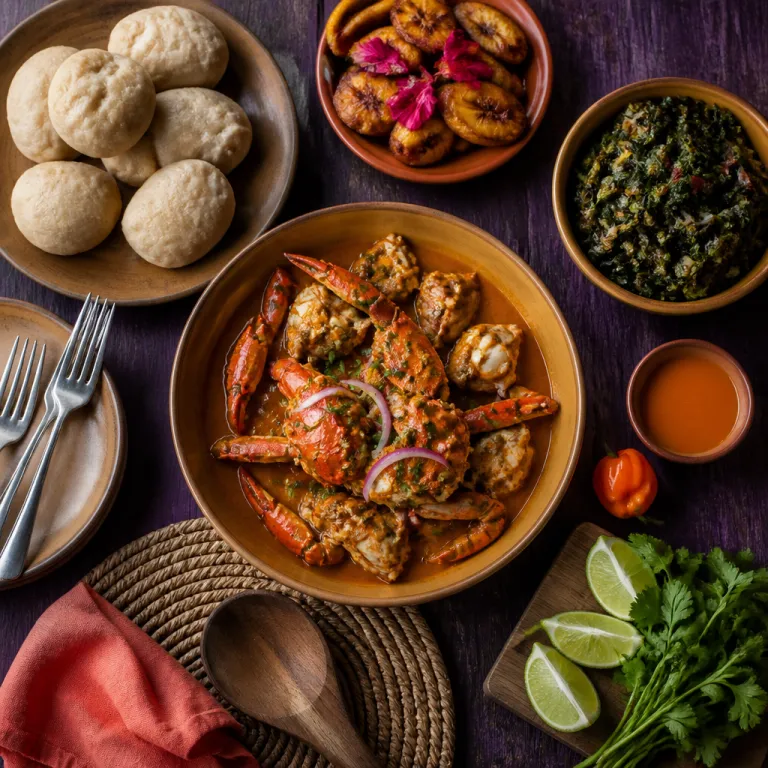
Why curry crab and dumplings defines Tobago’s luxury of taste
Curry crab and dumplings is the one Tobago crab-and-dumpling experience every serious food traveler should plan around. On these islands of Trinidad and Tobago, it is the Tobago crab pot rather than the resort buffet that tells you where you are, because the dish folds sea, family and Sunday ritual into one slow, fragrant cook. When you book a premium stay here, the real luxury is leaving the polished dining room and following the line of locals towards the steam rising from a curry sauce pan in Store Bay.
At its heart, this is a blue crab and dumpling recipe that looks simple on paper yet demands patience and precision in practice. Tobagonian families start in the morning, cleaning fresh Tobago crab from local fishermen, rubbing every joint with green seasoning, black pepper, curry powder and a little hot pepper before they add a slick of oil to the pot and begin to cook the shells until they blush. Ask a home cook, “What is curry crab and dumplings?” and you will usually hear a modest answer: “A traditional Tobagonian dish of curried crab served with dumplings,” followed by a smile that hints at generations of practice.
The sauce is where the islands’ Caribbean character comes through, with coconut milk, curry, salt and water simmered for 45 minutes that stretch into a lazy midday. Some cooks prefer lump crab meat loosened from the shell, while others insist the full blue crab, claws and all, is essential for proper taste and texture. Either way, the best versions cook a good 15 minutes beyond what a hotel kitchen might allow, letting the coconut and curry sauce thicken until it clings to every crab dumpling and every piece of soft purpose flour dough on the plate.
From Store Bay stalls to village yards: where to eat it
If you want curry crab and dumplings Tobago style, you start at Store Bay, not at the lobby bar. The beach here is famous for its weekend food stalls, where the air smells of Tobago curry, fry bake, oil sizzling for fish and the unmistakable perfume of coconut milk and hot pepper rising from wide aluminium pots. Lines form from late morning as locals and visitors queue for curry crab, crab dumplings and other Caribbean favourites, and the smart move is to arrive early before the best dish portions sell out by early afternoon.
Each stall has its own guarded dumpling recipe, usually a mix of purpose flour, a pinch of salt, sometimes a splash of milk or coconut, and just enough water to bring the dough together without becoming heavy. At popular spots such as Miss Jean’s or Miss Trim’s, you will see trays of plain dumpling and crab dumpling side by side, the latter stained golden from curry powder and flecks of green seasoning that the cooks add by instinct rather than by measured timing. This is not fast food; expect to wait 15 to 20 minutes while they cook dumplings in rolling water, then spoon over the curry sauce and crab meat that has been simmering since morning, with prices that typically sit in the TT$60–TT$90 range depending on portion size.
Beyond Store Bay, the most atmospheric meals happen in small villages on Sundays, where many households still treat shared lunch as the highlight of the week. Visit local villages on Sundays, respect local customs and you may be invited to sit in a yard where a family has spent hours to cook blue crab with coconut milk and black pepper, then plate it beside dumplings and provisions. For travelers used to the precision of a luxury hotel schedule in Trinidad, this slower rhythm in Tobago is part of the appeal, and it pairs beautifully with a concierge-planned Port of Spain street food morning built around doubles before the doubles vendor closes.
Resort plate versus Sunday pot: what authentic curry crab tastes like
Hotel chefs across Trinidad and Tobago know that guests now search for Tobago-style curry crab and dumplings on menus, so you will often see a polished version in premium dining rooms. The resort interpretation usually arrives as neat crab dumplings, perhaps with lump crab folded into refined dumpling dough, a light curry sauce drizzled with precision and a measured sprinkle of black pepper. It photographs beautifully, yet the taste can feel restrained compared with the deep, layered dish that simmers in a Tobagonian family kitchen for long, unhurried minutes.
Authentic curry crab is unapologetically messy, with blue crab pieces still in the shell, joints cracked so the curry and coconut milk can seep into every crevice. The cook will add hot pepper whole to the pot, letting it perfume the curry powder and coconut without turning the dish into a dare, and then adjust salt and water as the sauce reduces to a glossy, almost sticky consistency. You eat it with your hands, pulling crab meat from the shell, dragging each dumpling through the curry sauce and occasionally pausing for a sip of cold Caribbean beer or a glass of local fruit juice.
Premium hotels that understand this difference do not try to tame the recipe; instead they connect guests to the real thing through curated food tours, Sunday lunch reservations and even cooking sessions with local families. Some properties in Crown Point and along the southwest coast now invite Tobagonian cooks to lead small classes where couples learn to mix purpose flour with coconut milk, knead dumpling dough and simmer it for about 10 minutes until the texture is just right. The same hotels often point guests towards Indo-Trinidadian flavours back on the larger island, where roti and curry from Port of Spain institutions, explored in depth in this guide to how Indo-Trinidadian cuisine is having its moment, provide a sharp contrast to Tobago’s sea-focused curry crab.
How to order, eat and pair curry crab and dumplings like a local
Approaching a busy Store Bay stall or a village cookshop can feel daunting when you are more used to room service than roadside steam. The etiquette is simple though: you join the line, listen to what people ahead of you order and when your turn comes, ask for curry crab and dumplings, then specify whether you want extra crab meat, more dumpling or a mix of both. Many vendors in Trinidad and Tobago will also offer provisions such as yam, cassava or plantain, and adding a small portion gives the plate a pleasing balance of textures.
Once your dish arrives, forget the cutlery and follow the locals who eat with their hands, using each dumpling as both sponge and scoop. Tear the dumpling into pieces, press it into the curry sauce, then crack the blue crab claws to reach the sweet meat inside, letting coconut milk and curry powder drip onto the plate without apology. Expect to spend at least half an hour working through the meal, because the cook has taken far longer to clean the Tobago crab, season it with green seasoning and black pepper, then simmer it in a mixture of oil, water and spice until the flavours settle into a harmonious taste.
For drinks, pair the richness of Tobago crab and dumplings with something bright and cold rather than heavy. A local shandy, a chilled Caribbean lager or a tall glass of mauby or sorrel cuts through the coconut and hot pepper, while still letting the dish shine. If you are staying at a luxury property, ask the concierge to arrange a late checkout on your curry day; between the generous portions and the languid pace, this is a lunch that deserves its own afternoon.
From hotel kitchens to home pots: deepening your Tobago food journey
Luxury in Trinidad and Tobago is shifting from white-tablecloth formality towards experiences that feel rooted, and curry crab and dumplings Tobago style sits at the centre of that evolution. The most forward-thinking hotels now treat the Sunday lunch tradition as a cultural asset, partnering with Tobagonian families and local markets rather than trying to replicate the dish in isolation. Guests might join a morning visit to fishermen who supply blue crab, then move into a shaded yard where family members clean shells, mix green seasoning and explain why they add coconut milk at a particular stage of the cook.
These experiences often expand beyond a single recipe, introducing you to coo coo with callaloo, stewed fish, and root vegetables that rarely appear on international menus. Some properties commission chefs to create tasting menus that reference the dumpling recipe and curry crab flavours without diluting them, perhaps serving a refined crab dumpling alongside a small bowl of traditional Tobago curry for dipping. Others lean into culture more broadly, pairing food weekends with events such as beachfront jazz at Magdalena Grand, which we explored in detail in our feature on the weekend that quietly raised Tobago’s cultural stay bar.
For couples planning a romantic stay, the most rewarding itineraries weave together Trinidad’s street food energy and Tobago’s slower, sea-bound plates. Start with doubles and roti in Port of Spain, then fly across to Crown Point where your concierge can secure a Sunday table near Store Bay or in a village known for its Tobago crab pots. By the time you leave, you will understand why the answer to “Why is it a Sunday tradition?”—“It’s a cultural practice for family gatherings and communal meals”—is not just a line from a survey, but a lived reality that no hotel menu, however polished, can fully replicate.
FAQ
What is curry crab and dumplings in Tobago?
Curry crab and dumplings in Tobago is a traditional Caribbean dish of blue crab cooked slowly in a rich curry sauce with coconut milk, served alongside boiled flour dumplings. The crab is usually seasoned with green seasoning, black pepper and hot pepper, then simmered for many minutes until the meat absorbs the flavours. It is considered Tobago’s signature Sunday lunch and differs from Trinidad’s street food culture, which focuses more on doubles and roti.
Why is curry crab and dumplings linked to Sunday lunch?
The dish is closely tied to Sunday because Tobagonian families use the slower pace of the day to clean crab, prepare dumpling dough and cook the meal together. Many residents still take part in this shared lunch tradition, which strengthens family ties and preserves culinary heritage. The process typically runs from morning preparation through midday cooking to an afternoon meal that can last an hour or more.
Can tourists experience an authentic home style curry crab meal?
Visitors can experience authentic curry crab by seeking out local villages on Sundays, joining cultural tours or asking hotel concierges for trusted contacts. Some premium properties now arrange small group visits where guests watch families cook blue crab in coconut milk, then sit down to eat with them. Respectful behaviour, modest dress and openness to eating with your hands are appreciated when you join these meals.
How spicy is Tobago style curry crab and dumplings?
The heat level varies by cook, but Tobago-style curry crab usually aims for warmth rather than extreme fire. Cooks often add whole hot pepper to the pot for flavour, then adjust salt, black pepper and curry powder to balance the sauce. If you are sensitive to spice, you can request “slight pepper” when ordering at Store Bay stalls or village cookshops.
What other local dishes should I try alongside curry crab?
Alongside curry crab and dumplings, Tobago offers coo coo with callaloo, stewed fish, grilled Tobago crab, and plates of root vegetables known as provisions. In Trinidad, you should also try doubles, roti and other Indo-Trinidadian dishes that showcase a different side of curry and spice. Combining both islands’ cuisines during one trip gives a fuller picture of how diverse food culture is across Trinidad and Tobago.