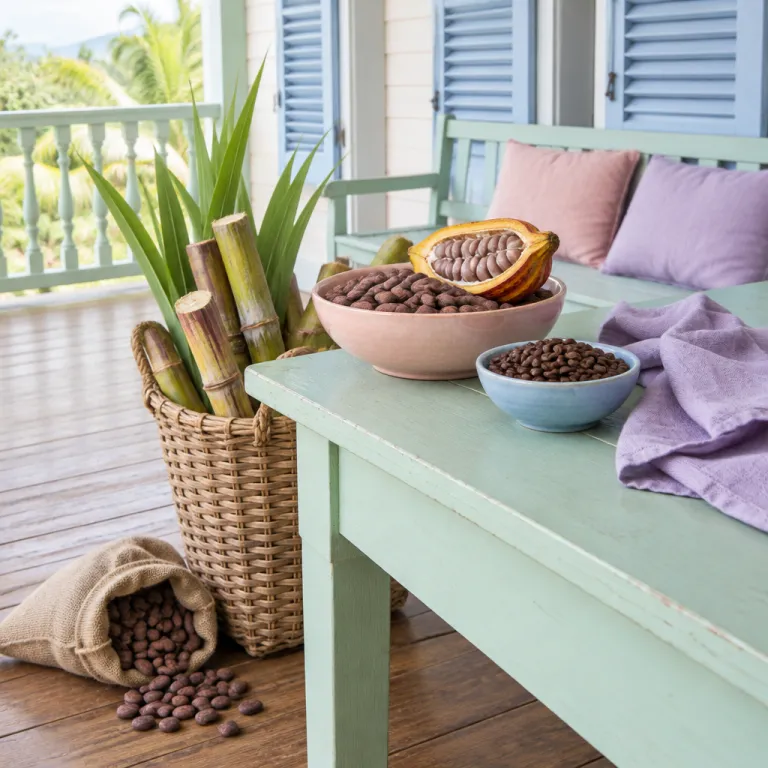
What a plantation house hotel in Trinidad really offers
Staying in a plantation house hotel in Trinidad is less about polished uniformity and more about layered character. A former plantation house turned hotel carries high ceilings, deep verandas and timber floors that no new build can quite imitate, and that sense of age shapes every stay. Couples who usually filter hotels by stars and prices quickly realise that here the real luxury is space, silence and the way the house sits within its plantation landscape.
These historic properties rarely feel like a conventional resort with a wristband and buffet line, yet they can still offer thoughtful amenities that matter on a romantic trip. You might book a room where jalousie windows frame a view of cocoa trees, then step downstairs to a small bar where free WiFi, strong coffee and local rum coexist with creaking staircases and original fretwork. When you search a booking platform such as mytrinidadstay.com for a plantation house hotel Trinidad listing, the results will usually show fewer rooms than city hotels, but that intimacy is exactly what many couples seek.
Because each house hotel evolved from a specific estate, no two properties share the same layout, facilities or atmosphere. One plantation house might sit on a breezy ridge in the Santa Cruz valley with simple parking and a handful of rooms, while another closer to Port of Spain leans into art, history and more polished property amenities. The key is to read guest reviews carefully, look at the wider area and nearby attractions, then decide whether you want a quiet rural stay or a base that lets you explore nearby beaches, rum shops and cultural sites with ease.
Holding the history honestly when you sleep in a great house
Every plantation house hotel in Trinidad stands on land shaped by sugar, cocoa and enslavement, and any meaningful stay has to acknowledge that. A romantic weekend in a restored house can still feel indulgent, but the property should offer context through displays, reading material or guided walks that explain who built the estate and who laboured there. When you book, look beyond photos of four poster beds and ask how the hotel interprets its plantation past for guests.
Some house hotels invite local historians or community members to lead talks on the estate’s story, turning a pretty view into a deeper understanding of the surrounding area. Others curate small libraries in shared rooms, where titles on Caribbean history sit beside contemporary Trinidadian fiction, and couples can read before dinner or after exploring nearby villages. One guest at a restored cocoa estate described sitting on the veranda at dusk, listening to a guide explain emancipation history while the evening birds settled in the trees, and said it changed how they saw the landscape.
Transparency also extends to ownership and how the property engages with nearby communities today, which matters if you care where your money goes. A plantation house that employs staff from the immediate area, sources food from local farmers and supports cultural festivals is doing more than simply trading on its architecture, and that should be clear in both marketing and guest reviews. As you compare hotels, look for mentions of community partnerships, responsible tourism and honest storytelling rather than a romanticised plantation fantasy that edits out the hardest chapters.
Where Trinidad’s plantation great houses actually welcome overnight guests
Trinidad has fewer fully restored plantation great houses operating as intimate hotels than many travellers expect, and that scarcity is part of the story. Some of the island’s most famous estates function as museums or event venues rather than places to stay, so a search for a plantation house hotel in Trinidad will surface only a small cluster of viable options. That reality makes it even more important to understand what each property offers in terms of rooms, amenities and access to the wider plantation landscape.
Many couples pair a short heritage stay in Trinidad with a longer beach break in Tobago, using resources such as guides to elegant all inclusive hotels in Trinidad and Tobago for refined Caribbean stays to shape the second half of the trip. In practice, that might mean two nights in a rural house hotel surrounded by cocoa, then a transfer to a coastal resort where free WiFi, extensive facilities and beachfront restaurants take over. The contrast between a creaking timber house and a polished lagoon facing property like the one highlighted in the Coco Reef Tobago elegant Caribbean stay guide can be part of the appeal.
Because the pool of true plantation house hotels is small, dates around Carnival, long weekends and major events often sell out quickly. When you select dates on a booking platform, you may see higher prices than in standard city hotels, reflecting limited rooms and the cost of maintaining historic facilities. If availability is tight, consider a day visit or dinner at a great house combined with a stay at another high end hotel in the same area, using mytrinidadstay.com’s curated lists to balance heritage, comfort and budget.
Comfort, quirks and what to expect from heritage rooms
Even the most carefully restored plantation house hotel in Trinidad will feel different from a purpose built resort, and that is part of the charm. Wide floorboards may creak, shutters might not close with modern precision and some rooms will have slightly uneven levels, because the house was never designed as a grid of identical hotel rooms. Couples who arrive expecting a flawless, climate controlled box may be disappointed, while those who value character usually fall for the quirks.
Before you book, read guest reviews with an eye for recurring comments about noise, air conditioning and bathrooms, because these are the pressure points in older properties. Some house hotels have invested heavily in discreet upgrades such as powerful but quiet ceiling fans, modern plumbing and strong free WiFi, while others keep things simpler with mosquito nets, open windows and a focus on breezes rather than sealed rooms. If you are sensitive to sound, ask which rooms sit furthest from the main road or bar area, and whether the property offers any rooms with double glazing or extra insulation.
Practicalities matter too, especially if you are renting a car to explore nearby valleys, beaches or cocoa estates. Check whether the property offers secure parking, how steep the driveway is and whether the facilities include a small fridge, kettle or safe in the room, because not every plantation house was built with these amenities in mind. When you select dates and compare hotels by stars, prices and property amenities, remember that a heritage stay trades some modern uniformity for atmosphere, history and the pleasure of waking up inside a house that has watched Trinidad change around it.
Weaving a plantation stay into a wider Trinidad itinerary
A stay in a plantation house hotel in Trinidad works best as one chapter in a broader island story, not the whole book. Many couples begin with two or three nights in or near Port of Spain, then move to a rural house hotel for quiet, before finishing with a few days by the sea in Tobago. That rhythm lets you experience Trinidad’s cultural energy, its plantation hinterlands and the softer resort side of the twin island nation.
From a heritage property in the northern range foothills, you can explore nearby cocoa estates, hike to waterfalls or drive to coastal villages for fresh fish, then return to the house for sundowners on the veranda. Planning is easier if you use a curated guide such as the overview of top luxury stays Tobago offers for discerning travelers, which helps you pair a plantation stay with a beach hotel that matches your expectations for amenities and service. On mytrinidadstay.com, you can select dates across multiple hotels, compare prices and property amenities, then build an itinerary that balances history, comfort and time on the sand.
Think about logistics as you book, because rural properties may sit a fair distance from major roads, gas stations and late night restaurants. Check the frequently asked questions section for each property to see whether dinner is included, whether any meals are free and how late the kitchen stays open, especially if your arrival dates involve evening flights. Use maps to understand the area, the distance to nearby attractions and how easily you can explore nearby villages, birding sites or rum shops without turning every outing into a long drive.
Frequently asked questions about plantation great house stays in Trinidad
How many plantation great houses in Trinidad currently operate as hotels ?
Only a small number of Trinidad’s historic plantation great houses function as full service hotels, and several better known estates operate solely as museums or event venues. When you search for a plantation house hotel in Trinidad, you will usually find just a handful of properties with rooms available to book. This limited supply means you should select dates early, especially around Carnival and public holidays.
What should couples expect from rooms in a heritage plantation property ?
Rooms in a plantation house tend to be individually shaped, with high ceilings, wooden floors and large windows rather than standardised layouts. Many properties have upgraded bathrooms, air conditioning and free WiFi, but you may still notice quirks such as creaking boards or slightly uneven levels. Read guest reviews carefully to understand which rooms offer the quietest stay, the best view and the most modern amenities.
Is parking usually available at plantation house hotels in Trinidad ?
Most plantation house hotels in Trinidad sit on private estates with on site parking, though the layout can vary from paved lots to gravel drives. If you plan to rent a car to explore nearby attractions, confirm whether parking is free, gated or covered before you book. The property’s frequently asked questions section or direct email contact will usually clarify these facilities.
How do prices at plantation great houses compare with modern resorts ?
Nightly prices at plantation house hotels often reflect their small scale, high maintenance costs and unique setting, so they can be similar to or slightly higher than larger resorts. You are paying for atmosphere, history and a more personalised stay rather than extensive resort facilities such as multiple pools or large gyms. Comparing stars, property amenities and guest reviews across several hotels will help you decide whether the heritage premium suits your budget.
Can a plantation house stay be combined with a Tobago beach holiday ?
Many travellers pair a short stay in a Trinidad plantation house with a longer beach break in Tobago, using inter island flights or ferries. This combination lets you experience the island’s colonial era architecture and rural landscapes before shifting to a resort focused on sea, sand and water based activities. Planning both segments through a single platform such as mytrinidadstay.com makes it easier to align dates, prices and transfer times.