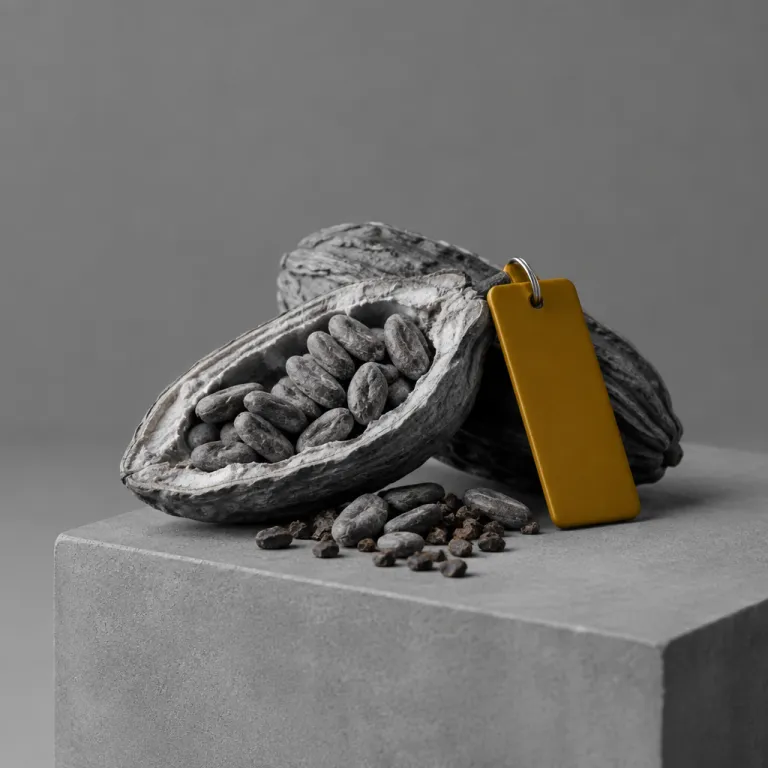
Planning a Trinidad cacao estate tour for couples
Why Trinidad cacao belongs on a luxury itinerary
Trinidad sits quietly but decisively in the story of fine flavour cocoa, shaping how estate chocolate is grown, fermented and tasted. On an estate walk here, you move from glossy pods to beans harvested by hand, then into the slow choreography of carefully managed fermentation heaps that define aroma and texture. For a couple planning a Trinidad cacao estate tour, this is not a factory visit but a sensory narrative that threads through your whole travel day.
The island’s signature Trinitario cocoa emerged from an 18th century crossing of criollo and forastero trees after disease devastated earlier plantings, and Trinitario cocoa from Trinidad now anchors many estate chocolates around the world. When you stand under the shade of a mature cocoa estate such as Ortinola, San Antonio or La Reunion, you are standing inside a living archive of agricultural experimentation, from early work by the Imperial College of Tropical Agriculture to modern flavour trials by the Cocoa Research Centre at the University of the West Indies. That heritage gives every dark chocolate square, every bean to bar tasting, a depth that feels closer to wine than to a casual snack, and explains why Trinidad-origin beans appear in award lists from organisations such as the International Chocolate Awards and the Academy of Chocolate.
Luxury travelers often fly into Trinidad and Tobago for Carnival, diving or sailing, yet they rarely explore cocoa beyond a hotel dessert. A focused tour changes that, letting you explore cocoa production as a craft, not a commodity, and connect it with the island’s rum, coffee and local fruit. Plan a minimum half day for your tour or tours, so you can note the shift from fresh pulp sweetness to roasted cocoa beans and estate chocolates without rushing back to the car.
Inside a Trinidad estate-to-bar afternoon
A well curated Trinidad cacao estate tour usually starts beneath the canopy, where a guide cuts open ripe pods and lets you taste the white pulp around the beans. You learn how beans harvested at different ripeness levels change the final flavour cocoa profile, and how carefully they must be harvested and fermented in wooden boxes before drying. Couples who enjoy slow travel tend to linger here, asking about cocoa production cycles, the role of the Cocoa Development Company of Trinidad and Tobago in supporting growers, and the pressures facing smallholders in the wider cocoa industry.
From the trees you move toward the cocoa house, where trays of cocoa beans lie in the sun or under sliding roofs, giving a tangible sense of labour behind each bar. This is where you can literally explore cocoa with your hands, turning beans, smelling the shift from raw to nutty, and hearing how estate managers time fermentation to coax fine flavour rather than bitterness. As one manager at a central Trinidad property such as Ortinola Estate puts it in their tour brief, “we treat every batch like a vintage,” and many guides will note how Trinitario cocoa from Trinidad differs from Tobago cocoa grown on the smaller island, even though both contribute to the reputation of Trinidad and Tobago as a fine origin.
The final act is usually a structured tasting of chocolates, often moving from milk to dark chocolate and then to single estate chocolates that highlight specific plots. Expect to compare a classic bean to bar square with blends, noting how different cocoa beans and roast levels shape texture and aroma. If you are staying at an elegant eco retreat such as the Asa Wright Nature Centre, you can carry this tasting back to your veranda, pairing a final piece of chocolate with birdsong and a local rum nightcap.
Where to stay in Trinidad for a cacao themed day
Choosing the right estate adjacent base turns a simple Trinidad cacao estate tour into a full day of quiet luxury. In the hills north of Port of Spain, restored plantation houses and nature lodges sit within easy driving distance of working cocoa estate properties, yet feel a world away from the city’s traffic. These stays suit couples who want to visit an estate in the afternoon, then return to a pool, a long shower and a dinner that respects local ingredients.
In Port of Spain itself, refined four star addresses give you urban comfort before or after your tour or tours, with concierge teams who understand how to book a driver and time your visit around rain showers. Our detailed look at what a four star stay really buys you in the capital, in this Port of Spain hotel review, helps you match service level to your expectations. From there, a private car can carry you east toward cocoa production zones such as Brasso Seco or Gran Couva, where you step from cool leather seats straight into the filtered light of a cocoa house.
Some couples prefer to split their time between Trinidad and the smaller island of Tobago, using a few nights at a coastal retreat such as the elegantly relaxed Tropikist Resort in Tobago before or after their estate visits. While Tobago cocoa plays a quieter role than Trinidad’s Trinitario beans, staying near Tobago cocoa holdings or heritage sites lets you compare how different microclimates influence cocoa beans and chocolates. This twin island rhythm — city, hills, then sea — suits couples who want both structured tastings and barefoot sunsets in a single Trinidad and Tobago itinerary.
Planning and booking your cacao experience
Because cocoa estate operations are working farms, a thoughtful Trinidad cacao estate tour always starts with planning rather than spontaneity. Many estates prefer a minimum group size or a minimum spend for private tours, so couples should email ahead or use hotel concierges to coordinate timing. When you book, ask clearly about which parts of cocoa production you will see, whether beans harvested recently are in the fermentation stage, and how long the tasting will last.
Most properties are reachable by car from Port of Spain within a few hours, but road conditions and traffic can stretch travel time, so build generous buffers into your day. Use tools such as Google Maps for a first sense of distance, then cross check with local drivers who know how rain or roadworks can change timing. A good hotel will note these nuances for you, helping you avoid rushed tours and ensuring you arrive when the cocoa house is active and the trays of cocoa beans are out.
Payment is usually straightforward, but policies vary between estates that focus on estate chocolates and those that primarily sell fresh produce. Some accept cards, while others prefer cash, so confirm details in your email exchanges and keep a written note of rates and inclusions. If you plan to carry dark chocolate bars or bean to bar slabs home, remember that heat and humidity are constant companions in Trinidad and Tobago, so ask your host for storage tips before you travel onward.
For practical next steps, consider booking at least two to four weeks in advance in the dry season, budgeting for tour fees plus private transport, confirming whether your hotel can arrange a driver, and saving estate contact details and directions offline in case mobile coverage drops in the hills.
Pairing cacao with rum, dining and Tobago escapes
A Trinidad cacao estate tour rarely stands alone; it threads naturally into the island’s rum and dining culture. After tasting fine flavour cocoa at an estate, many couples head back toward the city for a dinner that leans into local ingredients, pairing dark chocolate desserts with aged rum or even a savoury cocoa note in a sauce. Chefs who work closely with growers often highlight specific estate names on menus, turning cocoa production into a talking point at the table.
On Tobago, the pace softens, and the smaller island becomes a place to reflect on what you have tasted. Here, Tobago cocoa fields roll down toward quiet bays, and you can explore cocoa in shorter walks rather than full tours, then swim before sunset. Staying near Tobago cocoa farms or community projects lets you move easily between sea, pool and any nearby cocoa house, carrying a bar of dark chocolate back to your terrace as waves replace the rustle of leaves.
For couples who collect experiences rather than objects, this estate to bar arc becomes a signature memory of Trinidad and Tobago, as vivid as any reef dive. You start with beans harvested in the shade, follow them through harvested and fermented stages, then end with chocolates that have won international awards yet still taste unmistakably local. Along the way you gain a quiet respect for the people who coax flavour cocoa from fragile trees, and you leave with a deeper sense of how travel can support both landscapes and livelihoods.
FAQ
How long should we plan for a Trinidad cacao estate tour ?
Most couples should allow a minimum of half a day for a Trinidad cacao estate tour, including travel time from Port of Spain or nearby hotels. This usually covers a walk through the cocoa estate, a visit to the cocoa house and fermentation boxes, and a guided tasting of chocolates. If you want to photograph the process, ask more questions about cocoa production or compare several bean to bar samples, plan closer to a full day.
Is a cacao estate visit suitable for first time visitors to Trinidad and Tobago ?
A Trinidad cacao estate tour works very well for first time visitors, especially couples who enjoy food focused travel and slower experiences. The estates are used to explaining how cocoa beans are harvested and fermented, how Trinitario cocoa differs from other varieties, and how dark chocolate connects to local culture. Pairing one tour with a relaxed evening at a comfortable hotel gives you a grounded first look at Trinidad and Tobago beyond the beach.
Do we need to rent a car to reach cocoa estates ?
You do not strictly need to rent a car, but having private transport makes timing easier. Many luxury and premium hotels can book a trusted driver who knows the routes to major cocoa estate properties and can adjust for traffic or weather. Use Google Maps for an initial estimate, then rely on local advice to refine departure times and ensure you reach the cocoa house while activity is underway.
What should we wear and bring on a cacao estate visit ?
Wear light, breathable clothing and closed shoes suitable for walking on uneven, sometimes muddy paths between cocoa trees. Bring water, sun protection and insect repellent, as well as a small bag if you plan to buy estate chocolates or dark chocolate bars to take back to your room. Because heat can affect flavour cocoa and texture, ask your host for tips on storing chocolates during the rest of your tour or tours.
Can we visit cacao estates on Tobago as well as Trinidad ?
Yes, it is possible to visit cocoa related sites on the smaller island of Tobago, though options are fewer and often less formal than on Trinidad. Tobago cocoa has its own history, and some Tobago properties or community projects may offer short walks or tastings rather than full production tours. Combining a structured estate visit on Trinidad with a looser explore cocoa afternoon on Tobago gives a balanced view of how cocoa beans and chocolates shape life across Trinidad and Tobago.